
The discussion around alphawave semi share price has continued to grow among UK investors who are trying to understand what happened to the stock after major corporate developments. Even though the company is no longer actively traded, search demand remains high because many investors still want clarity on valuation history, delisting impact, and what the final price actually represented in the broader semiconductor market context.


The alphawave semi share price has become more of an informational topic than a live trading metric, mainly due to the company’s transition out of public markets. Investors researching this stock are often trying to understand whether historical prices still hold relevance, and how acquisition activity has reshaped the company’s position within the global technology sector.
What is Alphawave Semi
Alphawave Semi is a UK-based semiconductor business focused on designing high-speed connectivity solutions used in data centres, artificial intelligence systems, and advanced computing infrastructure. The company built its reputation in a highly competitive industry where demand for faster and more efficient chip technology continues to increase globally.
The alphawave semi share price once reflected strong investor interest in next-generation semiconductor innovation. As AI and cloud computing expanded, the company became an important player in enabling faster data transmission technologies, which directly influenced investor sentiment and helped shape early valuation expectations before market conditions began to change.
Share price history before delisting
The alphawave semi share price experienced significant movement during its time on the London Stock Exchange, influenced by both industry optimism and broader market volatility. Early trading periods showed strong confidence in the company’s growth potential, particularly as demand for semiconductor connectivity solutions increased across global technology sectors.
Over time, the alphawave semi share price reached a final recorded level of around 185p before trading was suspended. Market fluctuations were driven by changing investor expectations, semiconductor cycle trends, and evolving corporate developments, all of which contributed to a shifting perception of the company’s long-term value.
Delisting and why it happened
The alphawave semi share price changed permanently when the company was officially delisted from the London Stock Exchange following the completion of a corporate acquisition. This process meant that the shares were no longer publicly tradable, and all market activity ceased once the transition was finalised.
Delisting often occurs when a company is taken private or fully absorbed into another organisation, and this was the case here. As a result, the alphawave semi share price became a historical reference point rather than a live financial indicator, marking the end of its public trading journey in the UK market.
Qualcomm acquisition impact
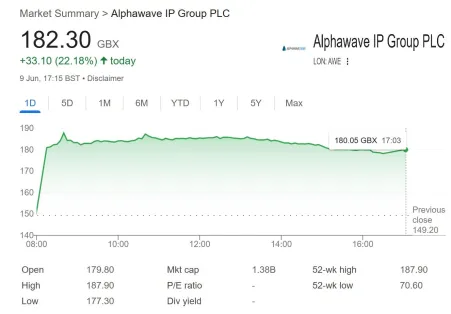
The acquisition of Alphawave Semi by Qualcomm played a central role in the transformation of the alphawave semi share price narrative. Qualcomm’s strategic interest in high-speed connectivity technology was a key driver behind the deal, aiming to strengthen its position in AI-driven semiconductor innovation and advanced computing markets.
Once the acquisition was completed, the alphawave semi share price effectively stopped reflecting market activity. Instead, the company became part of a larger corporate structure, meaning its independent valuation no longer existed in public trading form. This shift marked a major turning point for investors following the stock closely.
What happened to shareholders
After delisting, the alphawave semi share price no longer influenced real-time investment decisions, as shareholders transitioned into a buyout process governed by the acquisition agreement. Investors received settlement terms based on the final valuation agreed during the corporate takeover, which concluded their ownership in the listed entity.
For many investors, the alphawave semi share price became a reference for understanding payout expectations rather than a trading figure. Broker accounts were updated to reflect the acquisition outcome, and shareholders were required to follow official instructions to complete the transfer or settlement of their holdings.
Current status of Alphawave Semi
Today, the alphawave semi share price is no longer active because the company has been fully removed from public trading platforms. This means there is no live stock price available on the London Stock Exchange, and any previously displayed figures now serve only as historical records for analysis and research purposes.
Despite this, the alphawave semi share price remains widely searched because investors continue to examine past performance trends and evaluate how the company performed before its acquisition. Historical data still plays an important role in understanding how semiconductor companies evolve within fast-moving technology markets.
Market lessons and investor insights
The story behind the alphawave semi share price offers valuable lessons for investors, particularly those involved in high-growth technology sectors. It highlights how quickly companies can move from public listings to acquisition targets, especially in industries driven by artificial intelligence and advanced semiconductor demand.
Understanding the alphawave semi share price journey also emphasises the importance of monitoring corporate actions such as mergers, acquisitions, and delistings. These events can significantly change investment outcomes, making it essential for investors to stay informed about both market trends and company-specific developments.
Conclusion
The alphawave semi share price reflects a complete market lifecycle, from early investor optimism to final delisting following a major acquisition. Although the stock is no longer actively traded, its history remains important for understanding how semiconductor companies evolve within competitive global markets shaped by innovation and consolidation.
Ultimately, the alphawave semi share price is now a historical benchmark rather than a live financial figure. Its transition into acquisition highlights how quickly market conditions can change, especially in technology-driven sectors where strategic buyouts often redefine company futures and investor expectations.