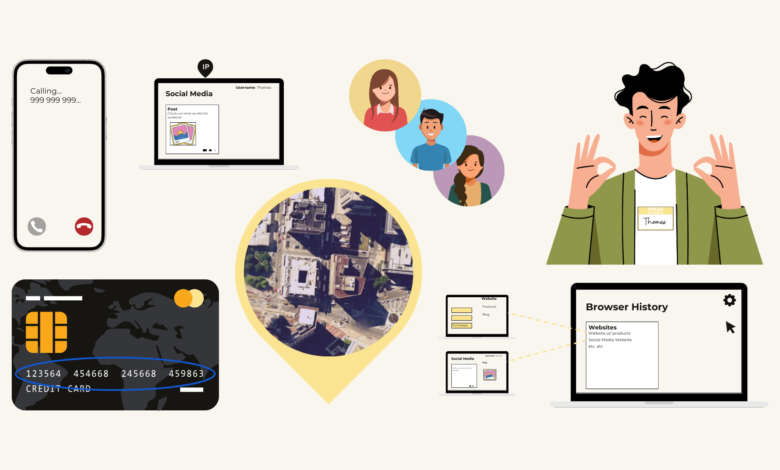
An organisation which makes decisions about personal data is a data controller under GDPR, and this concept sits at the centre of modern UK data protection law. Every digital interaction today involves personal data, from online shopping and banking to healthcare services and social media use, making it essential to understand who controls this information and how it is managed responsibly.


An organisation which makes decisions about personal data is a data controller because it determines the purpose and method of processing that data. This responsibility ensures that individuals’ information is not misused, and it places legal accountability on organisations that collect or store personal data. Under UK GDPR rules, this role is fundamental to maintaining trust and transparency in digital systems.
Understanding what a data controller really means under GDPR
An organisation which makes decisions about personal data is a data controller when it decides why personal information is collected and how it will be used. This includes everything from customer databases to employee records, where the organisation has full authority over processing activities and must ensure compliance with legal requirements at every stage.
An organisation which makes decisions about personal data is a data controller because it is responsible for the lifecycle of data, including collection, storage, usage, and deletion. Unlike other roles in data processing, the controller carries the highest level of responsibility, meaning it must ensure all activities follow GDPR principles such as lawfulness, fairness, and transparency.
The difference between a data controller and a data processor
An organisation which makes decisions about personal data is a data controller, while a data processor is an entity that acts only on instructions. This distinction is extremely important in UK data protection law because it determines who holds legal responsibility if personal data is misused, lost, or processed unlawfully.
An organisation which makes decisions about personal data is a data controller because it defines the purpose of data processing, whereas processors such as IT service providers or cloud platforms simply carry out tasks. The processor has no decision-making authority, which means the controller remains ultimately accountable for ensuring compliance with GDPR requirements.
Legal framework governing data controllers in the UK
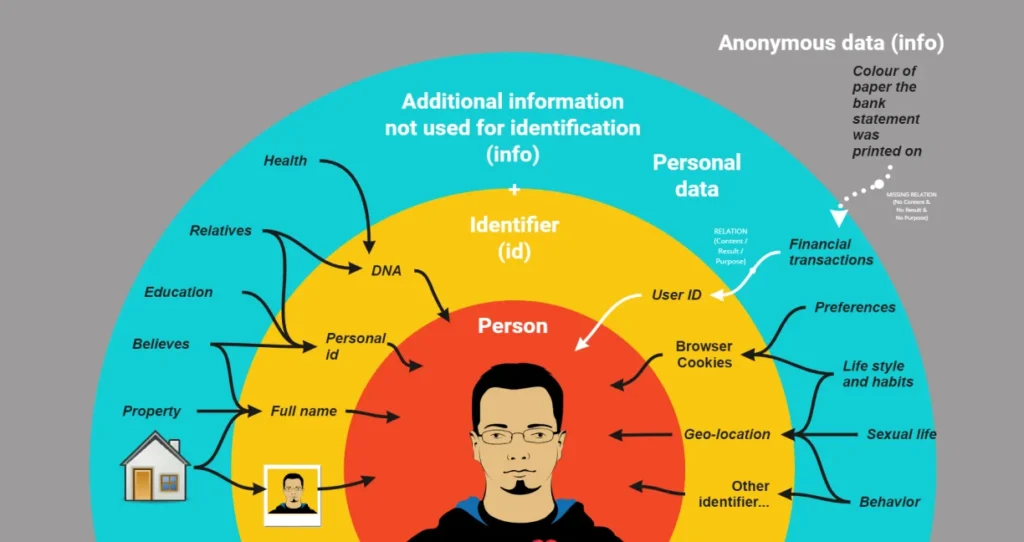
An organisation which makes decisions about personal data is a data controller operating under the UK GDPR and the Data Protection Act 2018. These laws work together to ensure that personal data is handled securely and that individuals have strong rights over how their information is used across digital and physical environments.
An organisation which makes decisions about personal data is a data controller that must follow strict legal obligations such as identifying lawful bases for processing and ensuring transparency. The Information Commissioner’s Office (ICO) oversees enforcement in the UK, ensuring that organisations comply with regulations and face penalties if they fail to protect personal data properly.
Responsibilities and duties of a data controller
An organisation which makes decisions about personal data is a data controller responsible for ensuring that all personal data is processed fairly, lawfully, and securely. This includes implementing strong internal policies, restricting access to sensitive data, and ensuring that only necessary information is collected for specific and legitimate purposes.
An organisation which makes decisions about personal data is a data controller that must also respect individual rights under GDPR. These rights include the right to access personal data, request corrections, and demand deletion in certain circumstances. Controllers must also report data breaches promptly and maintain clear documentation of all processing activities.
Real-world examples of data controllers in action
An organisation which makes decisions about personal data is a data controller in many everyday situations across the UK. For example, banks manage financial data, hospitals handle patient records, and online retailers store customer details. Each of these organisations decides how personal data is used and must comply with GDPR standards.
An organisation which makes decisions about personal data is a data controller in both public and private sectors. Schools, universities, government departments, and even small businesses collecting customer emails all fall into this category. Any organisation that determines the purpose and means of data processing is legally classified as a data controller.
Why identifying a data controller is important for individuals
An organisation which makes decisions about personal data is a data controller, and identifying it is essential for individuals who want to exercise their privacy rights. Knowing who controls personal data helps people request access, correction, or deletion of their information and ensures accountability when issues arise.
An organisation which makes decisions about personal data is a data controller that plays a key role in protecting trust between businesses and individuals. When users understand who is responsible for their data, they are more likely to engage confidently with digital services, knowing their personal information is being handled responsibly and legally.
Common challenges faced by data controllers in the UK
An organisation which makes decisions about personal data is a data controller that faces increasing challenges due to growing data volumes and complex digital systems. Managing compliance across multiple platforms and ensuring consistent data protection practices can be difficult, especially for organisations operating at scale.
An organisation which makes decisions about personal data is a data controller that must also deal with third-party risks, cyber security threats, and evolving regulations. Cross-border data transfers and reliance on external processors add further complexity, requiring strong governance frameworks and continuous monitoring to maintain compliance with UK GDPR standards.
Best practices for effective data controller compliance
An organisation which makes decisions about personal data is a data controller that should adopt privacy-by-design principles to ensure compliance from the start of any data processing activity. This includes minimising data collection, securing systems, and conducting regular audits to identify and reduce potential risks.
An organisation which makes decisions about personal data is a data controller that benefits from staff training, clear documentation, and robust data protection impact assessments. These practices help organisations maintain transparency, reduce legal risks, and build stronger relationships with customers who expect their personal data to be handled responsibly.
The future of data controllers and privacy regulation in the UK
An organisation which makes decisions about personal data is a data controller operating in an environment that is constantly evolving due to technological advancements. Artificial intelligence, machine learning, and automated decision-making systems are increasing the complexity of data governance and raising new privacy concerns.
An organisation which makes decisions about personal data is a data controller that will face stricter expectations in the future as regulators focus more on transparency and ethical data use. The UK’s data protection framework is expected to continue developing, placing greater emphasis on accountability and stronger enforcement measures.
Conclusion: The importance of data controllers in protecting personal data
An organisation which makes decisions about personal data is a data controller under GDPR, and this role is central to protecting privacy rights in the UK. It ensures that personal data is collected and used in a lawful, fair, and transparent way while maintaining accountability at every stage of processing.
An organisation which makes decisions about personal data is a data controller that carries significant legal and ethical responsibility. As digital transformation continues to grow, the importance of strong data governance will only increase, making data controllers essential guardians of personal information in modern society.