

Short answer: the best kid activities near you are usually your local park, library, children’s museum, and community center — most towns have all four, and the first two are free. Start with your city parks department website and your library’s events calendar, then filter by your child’s age: toddlers do best with sensory play and story times, school-age kids love museums and nature trails, and older kids want climbing gyms, sports, and escape rooms.


At a Glance: Kid Activities Near You
| Activity | Best ages | Typical cost | Good to know |
|---|---|---|---|
| Local park / playground | All ages | Free | Open daily; mornings are quietest |
| Library programs | 0–10 | Free | Story times and STEM workshops; some need sign-up |
| Children’s museum | 2–10 | Entry fee or membership | Membership pays off within a few visits |
| Nature trail / state park | 2–10 | Free or small parking fee | Junior ranger programs add structure |
| Splash pad | 1–8 | Free | Summer only; supervision still required |
| Indoor play park | 1–10 | Session fee | Best rainy-day option for mixed ages |
| Climbing gym | 5–12 | Session fee | Minimum age varies — call ahead |
| Trampoline park | 6–12 | Session fee | Keep one child per trampoline (AAP guidance) |
| Bowling | 3–12 | Per lane / per game | Bumpers and light balls for younger kids |
| Farmers market | 1–10 | Free entry | Best in the morning; a half-day outing |
Why it matters: Children and adolescents ages 6 to 17 need 60 minutes or more of moderate-to-vigorous physical activity every day, according to the U.S. Centers for Disease Control and Prevention (CDC) and the Physical Activity Guidelines for Americans, 2nd edition. Children ages 3 to 5 should be active throughout the day. The good news is the 60 minutes do not have to happen all at once — a park visit, a bike ride, and a living-room dance party all count.
How to Find Kid Activities Near You
The hardest part of family plans is the search. These five sources cover nearly every town in the US:
1. Your city or county parks and recreation website. Parks departments list playgrounds, trails, splash pads, pools, sports leagues, day camps, and free community events, usually with ages and costs. Search “[your city] parks and recreation” to find yours.
2. Your public library’s events calendar. Most branches run story times, craft sessions, STEM workshops, summer reading challenges, and visiting author events — all free. Story times are usually split by age group: a toddler session and a session for seven-year-olds are very different events. Check the calendar monthly and sign up early for popular sessions.
3. Google Maps and search. Search “children’s museum near me” or “playground near me” in Google Maps, then sort by distance and check hours, reviews, and photos. This is the fastest way to find play parks, trampoline parks, and climbing gyms you did not know existed nearby.
4. Eventbrite and community boards. Eventbrite lists local events filtered by family or kids categories, often including free community events. Local parenting groups on social media and neighborhood apps also share pop-up events, free museum days, and seasonal festivals.
5. Your school and community center. Schools send home flyers for after-school programs and sports sign-ups. Community centers run low-cost classes — art, dance, martial arts, swimming — that cost far less than private studios.
Build a standing list. Keep a standing list: ten nearby options, split between indoor and outdoor, with ages, costs, and drive times. On Saturday morning, pick from the list instead of starting a fresh search.
Outdoor Kid Activities Near Me
Outdoor activities are the backbone of family time: cheap, good for any age, and they burn the energy that fuels indoor chaos. The CDC notes that most of children’s daily 60 minutes should be aerobic — anything that raises their heart rate, such as walking, running, or cycling.
Local parks and playgrounds
Free, always available, and loved by kids of all ages. Bring a ball, a bubble wand, or sidewalk chalk; pair the visit with a picnic; and try a different park each week so it stays new. Look for parks with separate toddler structures if you have a little one.
Nature walks and scavenger hunts
Nature trails, greenways, and state parks are among the highest-rated family outings because they cost little and work for every age. Turn a walk into a game with a scavenger hunt: find a smooth rock, a yellow leaf, and something soft. Many state parks run free junior ranger programs that give children activities to complete during the visit — a structured goal keeps school-age kids engaged far longer than a plain walk.
Splash pads and public pools
Splash pads are free or low-cost, need no swimming ability, and suit kids roughly ages 1 to 8. They are summer-only in most places and still need active supervision. Public pools usually offer family swim sessions and low-cost lessons — check your parks department for schedules.
Farmers markets
Free to enter and open to all ages, farmers markets are a half-day outing disguised as an errand. Kids can taste fruit and meet the people who grow food. Go early — popular stalls sell out by midday.
Biking, scooters, and sports fields
A family bike ride on a paved trail is one of the best ways to cover the CDC’s 60-minute target. Many towns have rail trails and greenways with flat, car-free paths. Public sports fields are usually open for casual play outside league hours — bring a ball or a frisbee and let the kids set the rules.
Indoor Kid Activities Near Me

Rainy days, cold snaps, and heat waves all call for a roof. Indoor options cost more than parks, so it pays to know which are worth the price.
Children’s museums
A good children’s museum is the highest-value recurring outing in most mid-sized cities. Exhibits are built for open-ended play — water tables, building zones, pretend shops — and a family membership usually pays for itself within a few visits. Many museums offer free or discounted days each month. Skip it if your child is under two: most exhibits are pitched at ages three and up.
Libraries
The most underused answer to “kid activities near me” in almost every town. Beyond borrowing books, libraries run story times, craft sessions, LEGO clubs, coding workshops, and summer reading challenges — all free. Some branches also lend museum passes, board games, and even telescopes.
Indoor play parks and soft play centers
Climate-controlled, safe, and built for the full range from wobbly toddlers to kids who need to run full speed for two hours. Many offer all-day passes with re-entry, so you can leave for lunch and come back. Check for a separate toddler zone — mixed-age structures can overwhelm small children.
Climbing gyms
Indoor climbing suits kids roughly ages 5 and up and builds strength and confidence fast. Minimum age policies vary by gym, so call ahead — the floor staff, not the website, are the reliable source. Most gyms offer kids’ intro sessions with auto-belay walls that need no climbing partner.
Trampoline parks
A solid pick for kids roughly ages 7 to 12 — but take safety seriously. The American Academy of Pediatrics (AAP) advises that most trampoline injuries happen when more than one child jumps at once, and the smallest child is most likely to get hurt. Choose a park that separates younger jumpers from older ones and enforces one child per trampoline. Skip trampoline parks for children under six.
Bowling, art studios, and escape rooms
Bowling works from about age 3 up, with bumpers and light balls for younger kids — but weekend waits can be long, so book ahead. Pottery and art studios suit kids 4 and up and usually need a booking. Family escape rooms work best for older children and teens who can follow clues as a team.
Free and Low-Cost Kid Activities
Great days out do not have to cost much. These are the best no-spend and low-spend options near you:
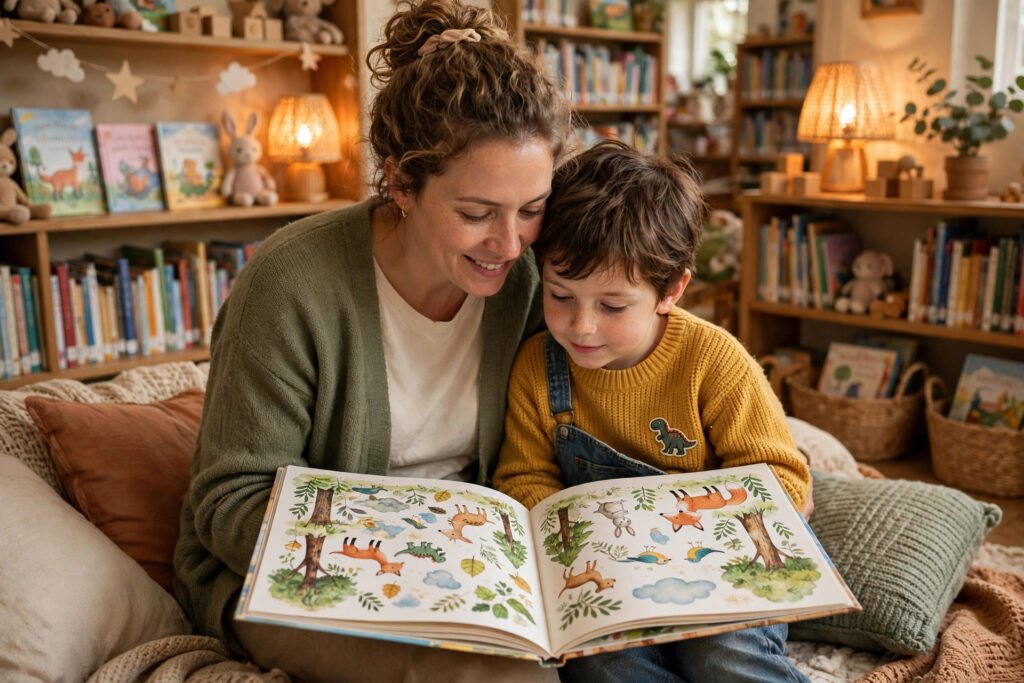
- Library story time and craft sessions — free, weekly, and organized by age.
- Park and playground visits — free, and better with a picnic.
- Nature scavenger hunts — free; a printed list and a paper bag are all you need.
- Community festivals and free museum days — check your city events calendar; many museums offer one free day a month.
- Sidewalk chalk and driveway games — hopscotch, giant tic-tac-toe, and chalk art cost almost nothing.
- Kids’ workshops at retail stores — many hardware stores, craft retailers, and grocery chains run free or low-cost weekend workshops for kids. Check store noticeboards and websites.
- Volunteering together — beach cleanups, community garden days, and food bank sorting sessions welcome older kids and teens and cost nothing.
- At-home backup plans — blanket forts, indoor obstacle courses, baking from pantry staples, and homemade playdough from flour, salt, and water can fill a whole rainy afternoon for $0.
If you are looking for ideas aimed at the youngest kids specifically, our guide to things to do with toddlers near me covers sensory play, soft play, and first outings in more detail — and our broader roundup of things to do with kids has more family outing ideas for all ages.
Kid Activities by Age: What Actually Works
Age is the most important filter. An activity that thrills a seven-year-old may frustrate a toddler or bore a twelve-year-old. Use this guide as a starting point and adjust for your own child’s interests.
Toddlers (ages 1–3)
Toddlers need soft, safe, sensory-rich places where they can explore at their own pace. Best bets: library story times, splash pads, soft indoor play areas, sandboxes and water play, short nature walks, and simple playgrounds with low structures. Keep outings short — an hour is plenty — and bring snacks and a change of clothes.
Preschoolers (ages 4–5)
Preschoolers love imagination and making things. Best bets: children’s museums, art and pottery studios, puppet shows, farm visits, nature scavenger hunts, beginner sports classes, and baking together. Their attention spans are growing, so a two-hour outing with a snack break works well.
Early grade school (ages 6–8)
This is the sweet spot for structured fun. Best bets: junior ranger programs, science museums, indoor climbing, mini-golf, bowling, building workshops, swimming lessons, and longer hikes with a goal (a waterfall, a viewpoint, a picnic spot). They can also start organized sports and group classes.
Tweens (ages 9–12)
Tweens want challenge, independence, and friends. Best bets: trampoline parks, escape rooms, climbing gyms, bike trails, coding and robotics workshops, team sports, photography walks, and volunteering. Let them plan the outing sometimes — ownership keeps them engaged.
Mixed-age groups
Most families are not taking one child out. The activities that hold up across ages are flexible ones: parks, beaches, children’s museums with zones for different ages, nature trails, farmers markets, and bowling. With a toddler and a ten-year-old, pick a venue with parallel options rather than one activity pitched at a single age.
How Much Activity Do Kids Need?
The CDC’s guidance, from the Physical Activity Guidelines for Americans, 2nd edition, is clear:
- Ages 6 to 17: 60 minutes or more of moderate-to-vigorous physical activity every day. Most of it should be aerobic (walking, running, cycling, swimming). On at least 3 days a week, include vigorous activity, muscle-strengthening activity (climbing, push-ups), and bone-strengthening activity (jumping, running).
- Ages 3 to 5: Physically active throughout the day, with plenty of active play.
- Under 3: Plenty of supervised floor play and active exploration throughout the day.
The 60 minutes do not need to happen in one block. The American Academy of Pediatrics notes the time can be split into shorter bursts — ten minutes of biking, twenty minutes at the park, a class, and a family walk all add up. Regular activity helps children’s attention and memory, lowers the risk of depression, and builds muscle, bone, and endurance, according to the CDC.
Planning Tips for a Good Day Out
- Start with the morning. Put the active outing first and the calm activity — library, lunch, craft — second.
- Keep a backup plan. If the splash pad is closed or the museum is packed, your standing list lets you pivot instead of going home.
- Pack a day bag. Water, snacks, sunscreen, wipes, a change of clothes for younger kids, and a phone charger cover nearly every outing.
- Check before you go. A two-minute check of the venue’s website or a quick call beats a wasted drive.
- Let kids choose. Offer two or three options and let them pick — children who choose the plan engage more.
- Build in downtime. One big outing plus a quiet afternoon beats two big outings and a meltdown.
Frequently Asked Questions
What are the best free kid activities near me?
Your local park, public library, and nature trails are the best free options in almost every town. Libraries run free story times and workshops, and parks offer playgrounds, splash pads, and trails at no cost. Check your city parks department website and library events calendar for what is on this week.
What can I do with kids on a rainy day?
Children’s museums, indoor play parks, libraries, bowling alleys, art studios, and climbing gyms are the best rainy-day options. For a no-spend day at home, try blanket forts, indoor obstacle courses, baking, or homemade playdough.
What activities are best for toddlers near me?
Toddlers (ages 1–3) do best with sensory play: library story times, soft indoor play areas, splash pads, sandboxes, and short nature walks. Keep outings to about an hour and choose venues with separate toddler zones where possible.
How much physical activity do kids need each day?
Children ages 6 to 17 need 60 minutes or more of moderate-to-vigorous physical activity every day, according to the CDC. Children ages 3 to 5 should be active throughout the day. The 60 minutes can be split into shorter bursts across the day.
Are trampoline parks safe for kids?
Trampoline parks carry one of the highest injury risks of the common kids’ activities. The American Academy of Pediatrics notes that most injuries happen when more than one child jumps at once. Choose a park that separates age groups and enforces one child per trampoline, and skip trampoline parks for children under six.
How do I find kid activities near me this weekend?
Check three places: your city parks and recreation website for parks and events, your library’s events calendar for free programs, and Google Maps for museums, play parks, and gyms near you. Eventbrite’s family category also lists local weekend events, including free community festivals.
