Understanding when can you use a regular toilet after hip replacement is one of the most important parts of early recovery planning. After surgery, even simple daily activities can feel challenging, and toileting becomes a movement that requires awareness, control, and patience. The hip joint needs time to heal, and every action must protect the new implant while supporting safe mobility.


When can you use a regular toilet after hip replacement is not the same for every patient, as recovery depends on individual healing speed, surgical approach, and overall strength. Most NHS guidance suggests a gradual improvement over several weeks, with careful progression from assisted toileting to full independence. This process ensures safety while rebuilding confidence in everyday movement patterns.
Early recovery and toileting support
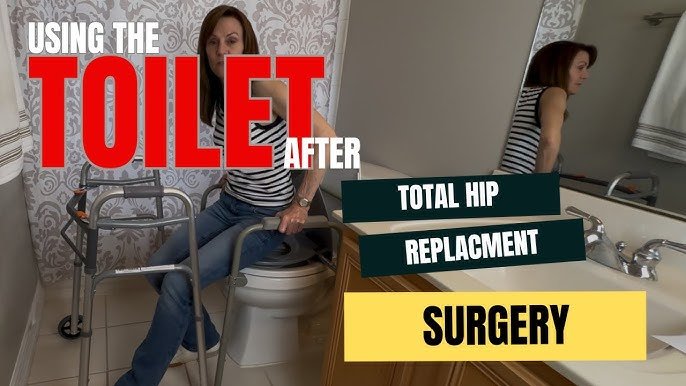
In the first phase after surgery, patients usually cannot safely manage a standard toilet height. When can you use a regular toilet after hip replacement during this stage is not recommended, as the hip joint is still vulnerable and requires strict precautions. Raised toilet seats or commode chairs are commonly used to reduce strain and maintain safe hip positioning.
During these early weeks, movement must be slow and controlled to prevent complications. Physiotherapists often guide patients on safe sitting and standing techniques, ensuring that bending angles do not exceed recommended limits. When can you use a regular toilet after hip replacement at this stage is answered with caution, as protecting the healing joint is the top priority.
Progress during weeks two to four
As recovery continues into weeks two to four, mobility gradually improves, and patients often begin to feel more stable. However, when can you use a regular toilet after hip replacement is still usually answered with continued use of raised toilet equipment. The joint is healing, but still requires protection from deep bending or twisting movements.
Physiotherapy becomes more active during this stage, focusing on strengthening muscles and improving balance. Patients may notice increased confidence in walking and transferring between positions. Even so, when can you use a regular toilet after hip replacement remains dependent on medical advice, as internal healing is still ongoing even if external movement feels easier.
Transition phase between four and six weeks

The period between four and six weeks is often when significant progress is made in recovery. When can you use a regular toilet after hip replacement becomes a realistic consideration during this stage for many patients. Some individuals may be cleared by their surgeon or physiotherapist to begin using a standard toilet safely.
This transition is gradual rather than immediate, and it varies from person to person. When can you use a regular toilet after hip replacement at this stage depends on strength, balance, and hip stability. Even if clearance is given, patients are encouraged to move carefully and continue applying safe movement principles to avoid unnecessary strain.
Safe toilet use techniques after surgery
Safe movement technique is just as important as timing when considering when can you use a regular toilet after hip replacement. Proper posture and controlled motion help prevent injury and support long-term recovery. Patients are advised to avoid twisting, bending too far forward, or rushing movements when sitting or standing.
The correct approach includes backing up until the toilet is felt against the legs, extending the operated leg slightly forward, and lowering the body slowly using arm support. When can you use a regular toilet after hip replacement safely also depends on how well these techniques are followed, as correct movement reduces pressure on the healing hip joint.
Equipment and physiotherapy support
Support equipment plays a major role in early recovery and directly influences when can you use a regular toilet after hip replacement becomes possible. Raised toilet seats, grab rails, and walking aids help maintain stability and reduce the risk of falls. These tools allow patients to maintain independence while protecting the healing joint.
Physiotherapy is equally important in building strength and coordination. Structured exercises help improve flexibility and restore normal movement patterns over time. When can you use a regular toilet after hip replacement is often determined during physiotherapy assessments, where progress is measured and readiness for independent movement is carefully evaluated.
Differences in recovery between patients
Recovery is not identical for everyone, and this greatly affects when can you use a regular toilet after hip replacement. Factors such as age, fitness level, type of surgery, and overall health all influence healing speed. Some patients progress quickly, while others require more time before transitioning safely.
Surgical approach also plays a role in recovery differences. For example, anterior hip replacement patients may regain mobility sooner than those who undergo posterior procedures. When can you use a regular toilet after hip replacement must always be assessed individually, as personalised recovery plans ensure both safety and long-term joint stability.
Conclusion and final recovery guidance
Knowing when can you use a regular toilet after hip replacement helps patients understand what to expect during recovery and reduces anxiety around daily activities. For most individuals, the transition occurs between four and six weeks, but this timeline is always guided by medical professionals rather than fixed rules.
Recovery should be approached with patience, consistency, and careful attention to safety advice. When can you use a regular toilet after hip replacement ultimately depends on healing progress, physiotherapy guidance, and surgeon approval. Following NHS recommendations ensures a safer return to independence and supports long-term hip function and mobility.