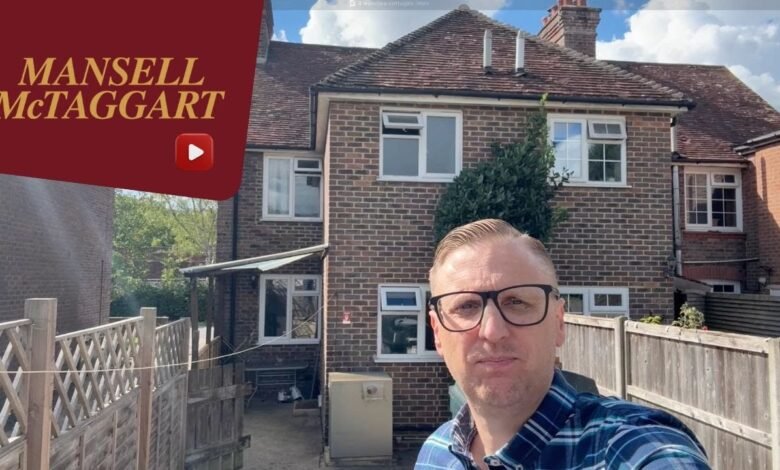
Mansell McTaggart Horsham is a well-established estate agency serving one of West Sussex’s most desirable and competitive property markets. Known for its local expertise and customer-focused approach, Mansell McTaggart Horsham plays a key role in supporting buyers, sellers, landlords, and tenants across the Horsham area with reliable and professional property services tailored to modern market needs.


The Horsham property market continues to attract strong demand due to excellent schools, transport connections, and a vibrant town centre lifestyle. Mansell McTaggart Horsham helps clients navigate this competitive environment by offering clear guidance, accurate valuations, and strategic marketing. Their approach ensures that clients can make confident property decisions backed by local knowledge and industry experience.
About the Horsham Estate Agency
Mansell McTaggart Horsham operates as part of a respected independent estate agency network with a strong presence across Sussex. The Horsham branch is strategically positioned to serve local communities and surrounding villages, offering tailored advice based on detailed understanding of neighbourhood trends, buyer behaviour, and evolving market conditions.
The agency provides a full range of property services including sales, lettings, and valuations. Mansell McTaggart Horsham is known for combining traditional customer service values with modern digital marketing techniques, ensuring maximum exposure for every property. Their focus on communication and professionalism helps clients feel supported throughout every stage of the property journey.
Property for Sale in Horsham
Mansell McTaggart Horsham offers access to a wide selection of properties for sale, ranging from modern apartments to large detached family homes. The local area continues to see strong demand, and buyers benefit from the agency’s ability to match them with suitable properties that meet their lifestyle needs and investment goals.
The buying process is made simpler through expert guidance and detailed market insight. Mansell McTaggart Horsham supports clients from initial search through to final completion, helping with viewings, negotiations, and offer strategies. This structured approach ensures buyers are well-informed and confident when making one of life’s most important financial decisions.
Lettings and Rental Services in Horsham
Rental demand in the area remains consistently high, making professional lettings services essential for landlords and tenants. Mansell McTaggart Horsham provides comprehensive lettings solutions, including tenant sourcing, property management, and rent collection, helping landlords maximise returns while maintaining compliance with legal and safety standards.
Tenants also benefit from a wide range of available rental properties across Horsham and surrounding areas. The agency ensures a smooth and transparent application process, making it easier for renters to secure suitable homes. Mansell McTaggart Horsham focuses on clear communication and ongoing support throughout tenancy agreements to ensure a positive renting experience.
Reviews and Reputation in the Local Market

Customer feedback is a key factor in choosing an estate agent, and Mansell McTaggart Horsham has built a strong reputation based on positive client experiences. Many reviews highlight the agency’s professionalism, responsiveness, and ability to achieve successful outcomes in both property sales and lettings transactions.
Online reviews often reflect satisfaction with the team’s communication and local knowledge. Clients appreciate the supportive approach taken throughout the process, from valuation to completion. Mansell McTaggart Horsham continues to maintain a trusted position in the local property market by delivering consistent service quality and reliable results.
Why Choose Mansell McTaggart Horsham
Choosing the right estate agent can significantly impact the success of a property transaction, and Mansell McTaggart Horsham stands out for its combination of experience, local insight, and strong marketing reach. The agency understands the Horsham market in detail, allowing them to position properties effectively and attract serious buyers and tenants.
Mansell McTaggart Horsham also benefits from a well-established brand reputation and access to a wide network of potential buyers across the region. Their commitment to customer care, accurate valuations, and proactive communication ensures clients receive a high standard of service throughout the entire buying or selling process.
Buying Property in Horsham with Confidence
Buying a home in Horsham can be both exciting and challenging due to strong demand and fast-moving market conditions. Mansell McTaggart Horsham supports buyers by providing detailed property insights, arranging viewings, and offering professional advice to help them make informed decisions at every stage of the process.
From understanding mortgage options to navigating legal requirements, the agency helps simplify the buying journey. Mansell McTaggart Horsham ensures that buyers are fully prepared when making offers, reducing uncertainty and improving confidence. This structured support is especially valuable in a competitive market where timing and preparation are essential.
Conclusion
Mansell McTaggart Horsham remains a trusted name in the local property market, offering expert guidance across sales and lettings services. With strong local knowledge and a commitment to customer satisfaction, Mansell McTaggart Horsham continues to support clients in achieving successful property outcomes in a highly competitive environment.
Whether buying, selling, or renting, clients benefit from a professional service that prioritises communication, transparency, and results. Mansell McTaggart Horsham continues to play an important role in shaping the Horsham property market, helping people move forward with confidence in one of West Sussex’s most desirable locations.