
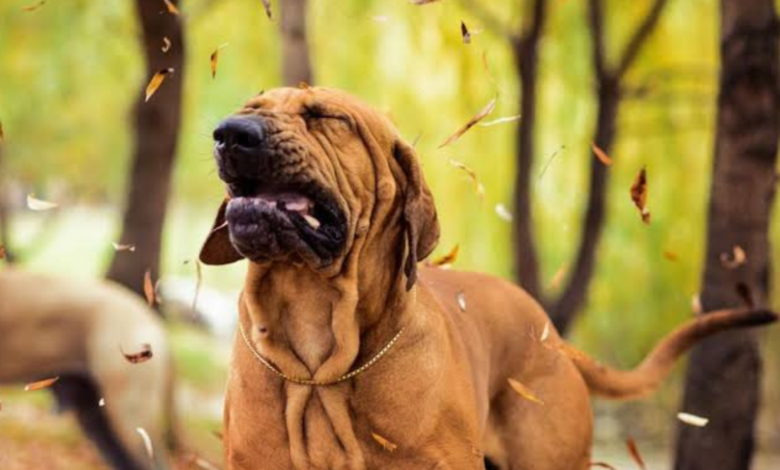
Reverse sneezing in dogs is a common phenomenon that pet owners may observe. This involuntary respiratory reflex is typically harmless but can be startling for both the dog and the owner.
What is Reverse Sneezing in Dogs?
Reverse sneezing in dogs, also referred to as a “backward sneeze,” occurs when a dog experiences a sudden, involuntary respiratory reflex. During this episode, the dog makes a loud inspiratory noise, and may exhibit labored breathing. This reflex is often triggered by nasopharyngeal irritation, which can occur due to various factors.
Identifying Reverse Sneezing in Dogs
Pet owners can identify reverse sneezing by observing their dog’s behavior. During an episode, the dog’s throat may appear to spasm, and they might stand still with their neck extended. The most common cause of reverse sneezing is irritation of the soft palate and throat, which results in a spasm. Factors such as allergies, excitement, or vigorous activity can also contribute to this phenomenon.
Common Causes of Reverse Sneezing in Dogs
Several factors can lead to reverse sneezing in dogs. Allergies are a significant contributor, as they can cause nasal irritation. Other triggers include dust, smoke, or strong scents that irritate the upper respiratory system. Some dogs may also reverse sneeze when they are overly excited or anxious, which can lead to rapid changes in breathing patterns.
Treating Reverse Sneezing in Dogs at Home
Most cases of reverse sneezing in dogs do not require veterinary intervention and can be managed at home. One effective method is to gently massage the dog’s throat during an episode, which can help relieve the irritation. Another technique involves holding the dog’s nostrils closed for a few seconds, prompting them to swallow and potentially alleviating the spasm. Keeping the dog calm and reducing exposure to allergens can also help minimize episodes.
When to Consult a Vet for Reverse Sneezing in Dogs
While reverse sneezing in dogs is usually not harmful, frequent or severe episodes may indicate an underlying health issue. If a dog experiences excessive sneezing or shows signs of distress, pet owners should consult a veterinarian. Other symptoms to watch for include nasal discharge, persistent coughing, or any changes in appetite or energy levels, which could signify more serious canine respiratory issues.
Managing Dog Anxiety Triggers Related to Reverse Sneezing
Understanding the triggers of anxiety in dogs can help prevent reverse sneezing episodes. Common triggers include loud noises, unfamiliar environments, or changes in routine. Implementing calming techniques, such as providing a safe space or using anxiety-reducing products, may help mitigate these stressors and reduce the likelihood of reverse sneezing.
Home Remedies for Reverse Sneezing in Dogs
Home remedies for reverse sneezing in dogs can be effective. Aside from massaging the throat and closing the nostrils, pet owners can ensure their dog has a clean living environment, free from dust and allergens. Regular cleaning of the dog’s bedding and minimizing exposure to smoke or strong scents can significantly reduce instances of reverse sneezing.
Frequently Asked Questions
How do you treat reverse sneezing in dogs?
Treating reverse sneezing in dogs often involves home remedies such as gently massaging the throat or holding the nostrils closed for a few seconds. Keeping your dog calm and reducing exposure to allergens can also help.
When should I worry about reverse sneezing in dogs?
If your dog experiences frequent or severe reverse sneezing episodes, or if other symptoms like nasal discharge or changes in appetite occur, it is advisable to consult a veterinarian.
What can be mistaken for reverse sneezing?
Reverse sneezing can sometimes be mistaken for other respiratory issues, such as coughing or gagging. Observing the dog’s behavior and sound during the episode can help in identifying it correctly.
Is reverse sneezing a symptom of heart failure?
There is no verified information indicating that reverse sneezing is a symptom of heart failure. However, if a dog shows other concerning signs, it’s essential to consult a veterinarian for a thorough evaluation.
Can reverse sneezing in dogs be prevented?
Preventing reverse sneezing in dogs may involve minimizing exposure to known allergens and managing anxiety triggers. Keeping a clean environment can also reduce irritants that cause nasopharyngeal irritation.
What should I do during a reverse sneezing episode?
During a reverse sneezing episode, you can soothe your dog by gently massaging their throat or holding their nostrils closed briefly. Keeping them calm can help resolve the episode more quickly.
Reverse sneezing in dogs is generally a benign reflex, but understanding its triggers and how to manage episodes can enhance your dog’s comfort and health. By applying simple home remedies and monitoring their behavior, pet owners can effectively handle this common occurrence.
You May Also Read: common app essay examples
