Selling a vehicle can often feel like a long and stressful process, especially when dealing with private buyers, advertisements, and endless negotiations. Many drivers now prefer quicker and more reliable solutions that remove unnecessary complications. One of the most popular options in the UK market is we buy any car kidderminster, which provides a fast and structured way to sell vehicles with minimal effort required from the owner.
In today’s fast-moving automotive market, convenience and speed are highly valued by car owners. Instead of waiting weeks for offers, sellers can now access instant valuations and quick sales. The we buy any car kidderminster service is designed to simplify this journey, helping people in Kidderminster sell their vehicles efficiently while reducing stress and uncertainty throughout the entire process.
What is We Buy Any Car Kidderminster?
The we buy any car kidderminster service is a professional car buying solution that allows vehicle owners to sell their cars quickly through an online and in-person process. Instead of advertising privately or negotiating with buyers, sellers receive a direct offer based on their vehicle’s details. This makes it a practical option for people who want a straightforward and fast selling experience.
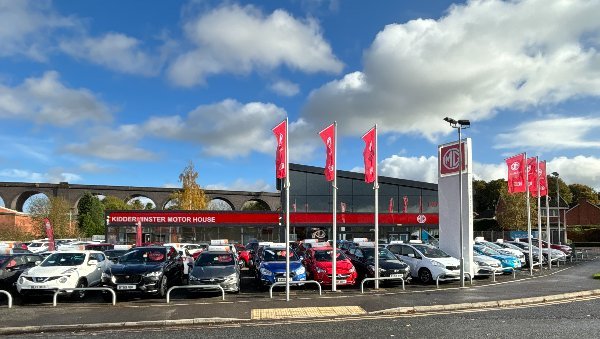
In Kidderminster, the service operates through a local branch where final inspections take place before purchase confirmation. It accepts a wide variety of vehicles, including older cars, high-mileage vehicles, and those in less-than-perfect condition. The we buy any car kidderminster process ensures that sellers can complete transactions with ease while avoiding the challenges of traditional selling methods.
How the Instant Valuation Process Works
The valuation process begins with an online form where sellers enter key details such as registration number, mileage, and overall condition of the vehicle. Within moments, an estimated price is generated. This is one of the main reasons people choose we buy any car kidderminster, as it provides quick insight into a vehicle’s market value without any obligation.
After receiving the initial valuation, customers are invited to visit the Kidderminster branch for a physical inspection. During this stage, the vehicle is carefully assessed to confirm its condition and history. The we buy any car kidderminster offer may be adjusted based on this inspection, ensuring the final price accurately reflects the car’s real-world condition and market demand.
Visiting the Kidderminster Branch Experience
When visiting the local branch, customers can expect a structured and efficient process designed to complete sales quickly. Appointments are usually arranged in advance to minimise waiting time and improve service flow. With we buy any car kidderminster, the goal is to make the in-person experience as smooth and straightforward as possible for every seller.
During the appointment, trained staff inspect the vehicle and verify important documents such as the V5C logbook and identification. Once everything is confirmed, the sale can proceed without unnecessary delays. The we buy any car kidderminster process is designed to help sellers complete their transaction in a single visit whenever possible, making it highly convenient for busy individuals.
Payment Process and Customer Experience

Once the inspection is complete and the offer is accepted, payment is typically made via secure bank transfer. This ensures transparency and safety for both parties involved in the transaction. The we buy any car kidderminster service prioritises efficiency, meaning funds are usually transferred shortly after the sale is finalised.
The overall customer experience is designed to be simple and stress-free, with clear communication at every stage. Although the final offer may sometimes differ from the initial online estimate, this reflects accurate vehicle evaluation. Many customers continue to choose we buy any car kidderminster because it provides a reliable and structured selling process from start to finish.
Key Benefits of Using the Service
One of the main advantages of we buy any car kidderminster is the speed at which vehicles can be sold. Instead of waiting for potential buyers, owners can receive a valuation within minutes and complete the sale quickly. This makes it especially useful for people who need fast access to cash or want to avoid delays.
Another important benefit is convenience. The service handles much of the paperwork and reduces the complexity of private selling. With we buy any car kidderminster, sellers avoid advertising costs, negotiation stress, and uncertain buyer behaviour. This makes it an attractive option for those who value simplicity and efficiency in the car selling process.
Conclusion: Is It the Right Choice for You?
Choosing the right method to sell a vehicle depends on individual priorities such as speed, price, and convenience. For many drivers, we buy any car kidderminster offers a balanced solution that prioritises quick transactions and ease of use over lengthy private sales processes. It is particularly suitable for those who want a straightforward experience.
Overall, we buy any car kidderminster continues to be a trusted option for car owners in the UK who prefer a hassle-free selling journey. While it may not always provide the highest possible market price, it delivers reliability, speed, and simplicity, making it a strong choice for many people in Kidderminster looking to sell their vehicles efficiently.