Sara Cox Book Club: Full List of BBC Radio 2 Picks & Recommended Books 2026 (Complete Reading Guide)

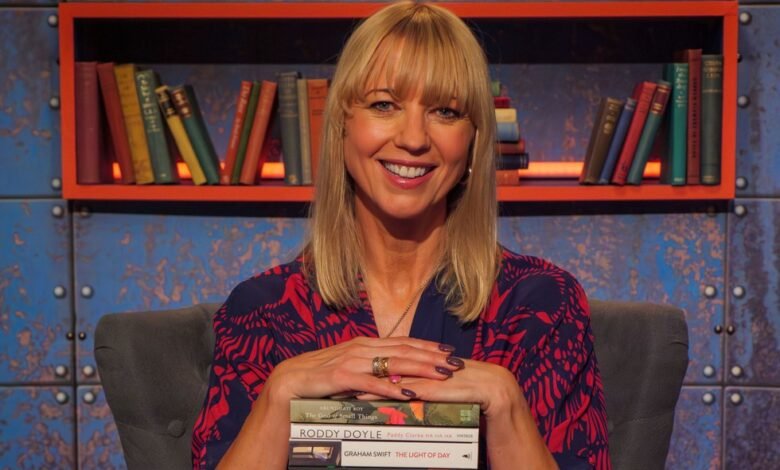
The Sara Cox Book Club has become a defining feature of modern UK reading culture, offering listeners a carefully curated selection of contemporary fiction and standout literary voices. The sara cox book club continues to grow in popularity because it blends relaxed conversation with meaningful book discussions, making literature feel accessible to everyday readers across the country.


At its heart, the sara cox book club is more than just recommendations; it is a cultural reading experience that encourages audiences to engage with stories in a deeper way. Through thoughtful discussion and enthusiastic presentation, the sara cox book club inspires both new and experienced readers to explore books they might not otherwise discover, shaping reading habits nationwide.
What is Sara Cox Book Club
The sara cox book club is a long-running literary feature that showcases some of the most exciting new fiction and emerging authors in the UK and beyond. It is designed to introduce readers to books that combine strong storytelling, emotional depth, and wide appeal, ensuring there is something for every type of reader.
In essence, the sara cox book club acts as a bridge between authors and audiences, helping readers connect with stories on a more personal level. By highlighting a diverse range of genres and voices, the sara cox book club plays an important role in encouraging literary exploration and expanding reading choices across different communities.
Sara Cox Book Club on BBC Radio 2 and Format
The sara cox book club is closely associated with BBC Radio 2, where it is presented as part of a wider cultural and entertainment programme. Each episode typically features book discussions, author interviews, and listener contributions, creating a dynamic and engaging literary experience that keeps audiences returning week after week.
Listeners can also access the sara cox book club through digital platforms, making it easier than ever to stay connected with new recommendations. The combination of radio broadcasting and on-demand listening ensures that the sara cox book club remains relevant in a fast-changing media landscape where flexibility and accessibility are key.
Complete Reading Lists and Yearly Highlights
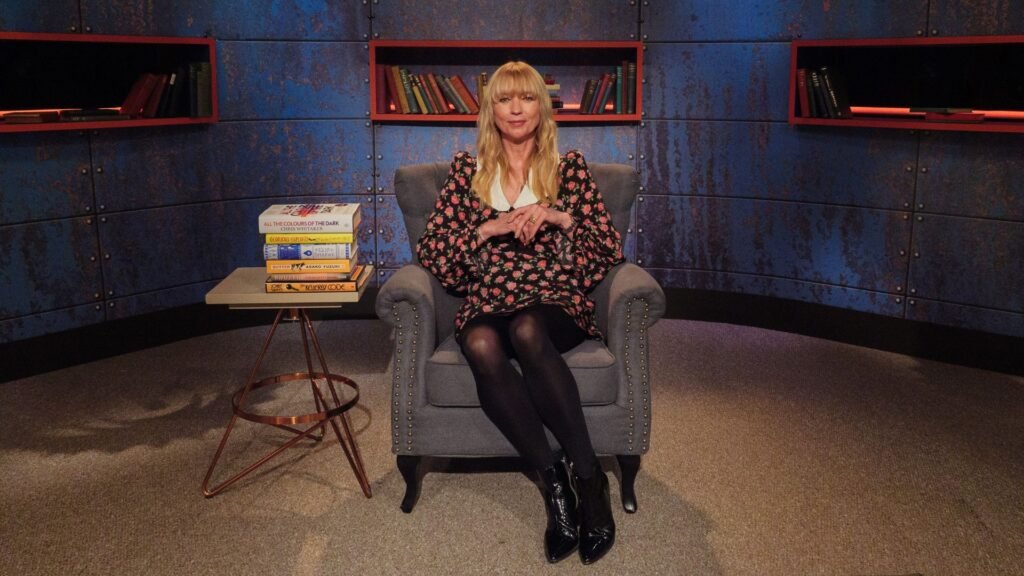
The sara cox book club is well known for its structured reading lists, which highlight the most talked-about books each year. From the sara cox book club 2025 selections to earlier editions such as 2024 and 2023, each list reflects evolving literary trends and introduces readers to a mix of debut authors and established names.
Looking further back, the sara cox book club 2022 recommendations helped set the tone for modern reading preferences, focusing on emotionally rich storytelling and engaging narratives. These yearly selections ensure that the sara cox book club continues to serve as a trusted guide for readers looking to discover meaningful and memorable books.
Most Popular Sara Cox Book Club Recommendations
Over the years, the sara cox book club has featured a wide variety of books that have gone on to achieve significant popularity and commercial success. These recommendations often include gripping fiction, heartfelt dramas, and thought-provoking stories that resonate strongly with audiences across the UK.
The sara cox book club recommendations are especially influential because they often introduce readers to books they might not have encountered otherwise. As a result, many featured titles become bestsellers shortly after being discussed, demonstrating the strong impact the sara cox book club has on reading trends and book sales.
How Books Are Selected for Sara Cox Book Club
The selection process behind the sara cox book club is carefully managed to ensure a balance of quality, diversity, and reader appeal. Editors, publishers, and literary professionals work together to choose books that offer compelling narratives and strong emotional engagement, ensuring each selection adds value to the reading community.
Audience participation also plays an important role in shaping the sara cox book club list. Reader feedback, book group discussions, and listener suggestions all contribute to the final selection process, making the sara cox book club a genuinely interactive literary platform that reflects public interest and reading preferences.
Cultural Impact of Sara Cox Book Club in the UK
The sara cox book club has had a significant cultural influence across the UK, helping to revitalise interest in reading and book discussions. Its presence on BBC Radio 2 has allowed it to reach a broad and diverse audience, encouraging more people to engage with literature in a meaningful way.
Beyond radio, the sara cox book club has also sparked conversations on social media and within reading groups, creating a shared cultural experience among book lovers. Its influence can be seen in increased library borrowing, stronger book sales, and renewed interest in community reading initiatives across the country.
Sara Cox Book Club Podcast and Digital Access
The sara cox book club is also available through digital platforms, allowing listeners to access episodes at their convenience. This flexibility has helped expand its reach, particularly among younger audiences who prefer on-demand content and mobile listening experiences.
Through BBC Sounds, the sara cox book club offers easy access to interviews, discussions, and book highlights. This digital availability ensures that readers can stay connected with the latest recommendations and enjoy literary content wherever they are, making reading more integrated into daily life.
Why Sara Cox Book Club Remains So Popular
The ongoing popularity of the sara cox book club can be attributed to its relatable presentation style and carefully curated book choices. Sara Cox’s engaging hosting approach makes literature feel approachable, encouraging listeners to explore books without feeling overwhelmed by complexity or academic barriers.
Another reason the sara cox book club continues to thrive is its ability to balance entertainment with literary value. By combining storytelling, author insights, and audience participation, it creates a well-rounded experience that appeals to both casual readers and dedicated book enthusiasts.
Conclusion
The sara cox book club has firmly established itself as one of the most influential reading platforms in the UK. Its carefully selected books, engaging discussions, and strong connection with audiences have made it a trusted source for discovering new literature and revisiting modern classics.
As the sara cox book club continues to evolve into 2026 and beyond, it remains a powerful force in shaping reading culture. With its blend of accessibility, diversity, and storytelling excellence, it continues to inspire readers to explore new books and enjoy the world of literature.